According to the traditional date preserved in later manuscripts of Pliny the Younger's letters, Mount Vesuvius erupted on August 24, sending a column of ash and pumice miles into the sky before pyroclastic flows swept down the mountain. Pompeii and Herculaneum vanished beneath the debris, preserving them—and their inhabitants—in eerie detail for archaeologists to uncover seventeen centuries later.

After years of failed negotiations and broken treaties with the Western Roman Empire, Alaric I led his Visigoths through the Salarian Gate on the night of August 24 and unleashed three days of plunder. The event stunned the ancient world—Saint Jerome, writing from Bethlehem, said his voice failed him with sobs—and is often cited as the symbolic beginning of Rome's terminal decline.

In the early hours of August 24, on the orders of King Charles IX and his mother Catherine de' Medici, assassins killed the Huguenot leader Admiral Gaspard de Coligny, triggering a massacre that spread through Paris and then the provinces. Estimates of the dead range from 5,000 to 30,000, and the killing deepened France's Wars of Religion for decades to come.

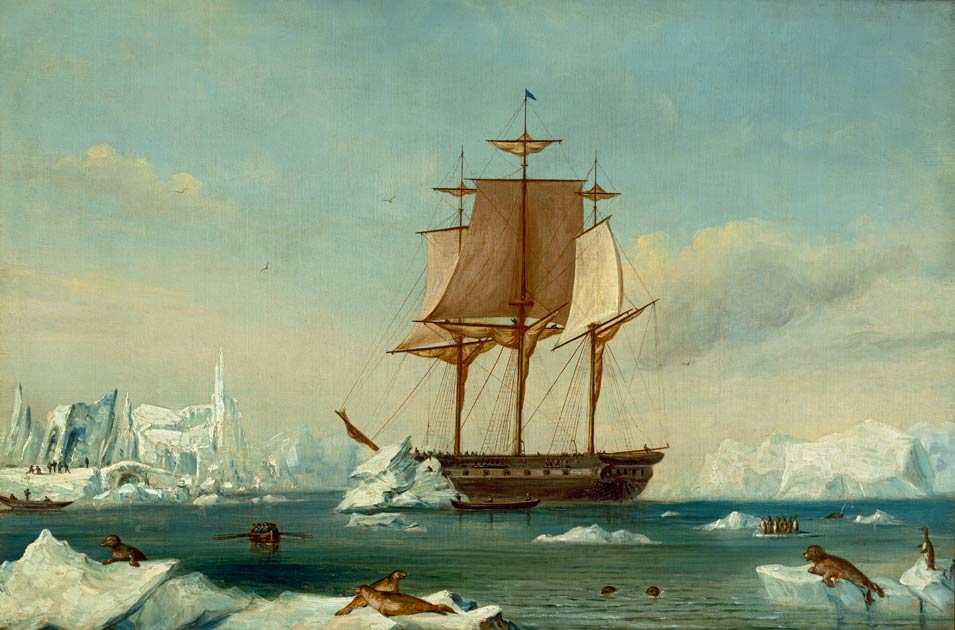
Six vessels under Lieutenant Charles Wilkes left Hampton Roads on a four-year scientific voyage that would survey some 280 Pacific islands and confirm the existence of an Antarctic continent. The expedition's charts guided American whalers and merchants for decades, and its scientific collections became the founding core of the Smithsonian Institution.
Gathered in the hills outside Manila, members of the secret society Katipunan tore their cédulas—identity papers proving payment of tribute to Spain—and shouted defiance, an act commemorated as the Cry of Pugad Lawin. Though the exact date and location remain debated among historians, the gesture marked the opening of an armed uprising that would end 333 years of Spanish rule within two years.

In the days following the Operation Dragoon landings, Allied and Free French forces closed in on Marseille and Toulon, key Mediterranean ports the Germans had heavily fortified. By August 24, French troops of the First Army, supported by Resistance fighters, had broken deep into Marseille's defenses, hastening a liberation that would formally conclude within days.

Microsoft delivered version 1.0 of its Disk Operating System to IBM for use in the newly announced IBM Personal Computer, a deal struck after Microsoft bought the underlying code, QDOS, from Seattle programmer Tim Paterson for a reported $75,000. The licensing arrangement, which let Microsoft retain rights to sell DOS to other manufacturers, became one of the most consequential business decisions in computing history.

Twelve years after launch, Voyager 2 skimmed within 3,000 miles of Neptune's cloud tops, capturing the first close-up images of the giant blue planet, its dark spot storms, and its moon Triton's icy geysers. The flyby marked the grand finale of the Voyager program's tour of the outer planets and remains humanity's only direct encounter with Neptune.
